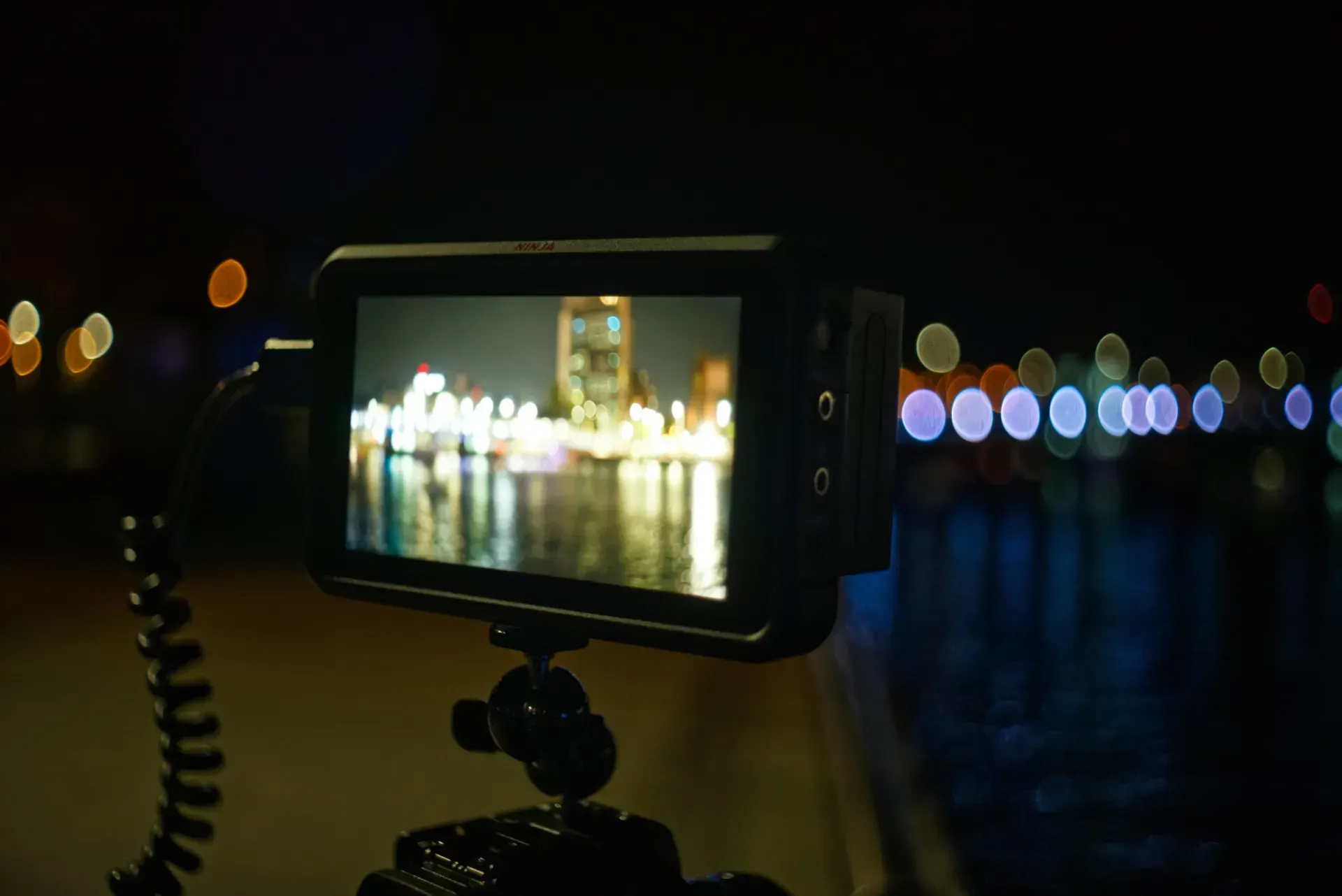
THE DAY I EVICTED CONTRAST and SATURATION TO THE WAITING ROOM!

Stuart Neale • 6 June 2026

For years I believed colour grading to be all about ‘Contrast’, ‘Saturation’ and LUT’s. Then I realised I have been asking those controls to perform jobs that belong elsewhere in the imaging chain.


The breakthrough arrived when I migrated my thinking from using ‘tools’ to the actual journey an image takes in the physical process of Negative, to Stock, to Print.


A plethora of digital tools have, over these past few decades, been created and designed to emulate the original film production workflow with the digital revolution exploding within the film industry leaving no stone unturned, no production artefact spared from beginning to end.


For one such as myself, a humble independent film maker and colourist, I have wholeheartedly embraced this digital extravagance in pursuit of that ‘holy grail’ - a true film-emulation.


The editing and colour grading tools and functionalities within such digital platforms are vast, but, what of the original, physical process of capturing images onto a ‘film stock’, performing a photochemical balancing process and then a final print? 


My thinking has migrated back to considering the journey an image takes from negative, stock to print, and how my approach to the colour grading tools should follow and emulate this film process.


Why do filmic Images emerge from relationship, not control?..


Let me give you an example from my own first-hand experience; a piano is not tuned successfully by making every interval mathematically perfect. Small compromises are essential so that the instrument resonates as a coherent whole. Likewise, a filmic image is not created by maximising contrast and saturation, or using and applying tools and their parameters in of themselves, it emerges when exposure, colour relationships, stock responses and print finishing, all work together creating a coherent whole that produces a natural resonance.


The ‘magic’ lives in the interaction and the resonance is created through relationships.


In the pursuit of true Film Emulation, I now want to understand how my colour grading tools should be sequenced and used, what should be their roles and responsibilities in the context of the film production process, making their interactions emulate that journey of the physical image.


NEGATIVE ~ STOCK ~ PRINT


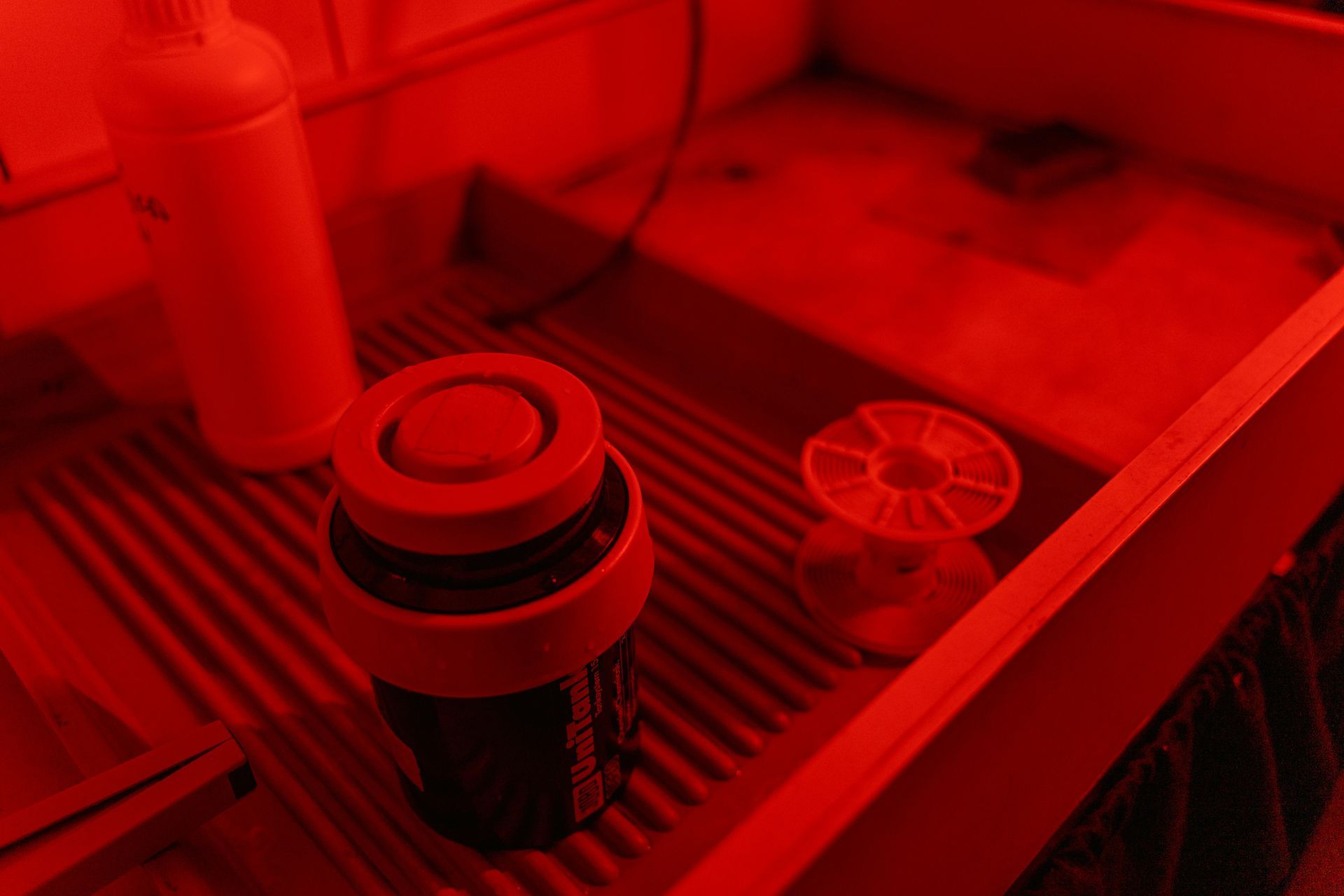
The film processing journey begins with preparing the negative, a ‘conditioning’ process using grading tools  for exposure and white balancing. Next up, an important preparation process is colour balancing, density and separation, which can be expressed as negative ‘styling’.


Prior to the film stock (which in digital terms is the LUT a good example is the Kodak 2383), a negative curve can be applied to shape highlight behaviour, density and tonal relationships before the stock response. Each LUT (film stock) will respond in their designated behaviour patterns, therefore understanding how my negative styling and curve effects the LUT’s performance, is one of those important interactions; the relationship here is significant - a small adjustment will give outstanding results.


Then, at the final but highly critical stage of the film processing operation comes Print Finishing.  Here another range of digital tools find their natural home, to make final adjustments in colour density, and textural emulations (grain emulation being a prime contender) prior to printing the film, or in digital speak, ‘rendering’.

In the original photochemical process the balancing of colour and its density was achieved using Printer Lights, which in this digital workflow still have their place and can be mapped into the digital tools.


‘Cause and effect’ underpins this approach where relationships are understood and nurtured.  Where the digital tools no longer operate arbitrarily which commonly creates duplication and confusion.


ANALAGOUS CONCEPTS


In my experience of implementing this approach, where the relationship and interaction of the component parts matter more than the mathematical ‘correctness’ of the elements own parameters, and where frequency balancing within the piano tuning process depend on the relationship between frequencies across the entire spectrum of the instrument, i could direct your gaze to that elaborate art of music production and ‘master engineering.’


Here we see the same principals in operation with striking similarities. The journey of an audio production begins with the capture process(recording), of one or many component parts, which is then assembled together and balanced (the production mix), prior to moving to the final stages of final adjustments and tweaks (mastering), and then rendering or in the case of vinyl processing, the master would be ‘cut to disk’.


As with the colour grading workflow for film-emulation, in audio processing there are a myriad of tools for recording, balancing and mastering, which similarly require the correct sequential placement in the processes and have significance interactions with each other.  For example should an amount of compression be applied in the mix, the mastering engineer will then be either limited or released to effect subtle changes that will enhance or subtract from the final master.


The overall ‘resonance’ of the track will be determined by these interactions of EQ, compression, limiting (to name a few) and at which stages they were applied and how the parameters were set.
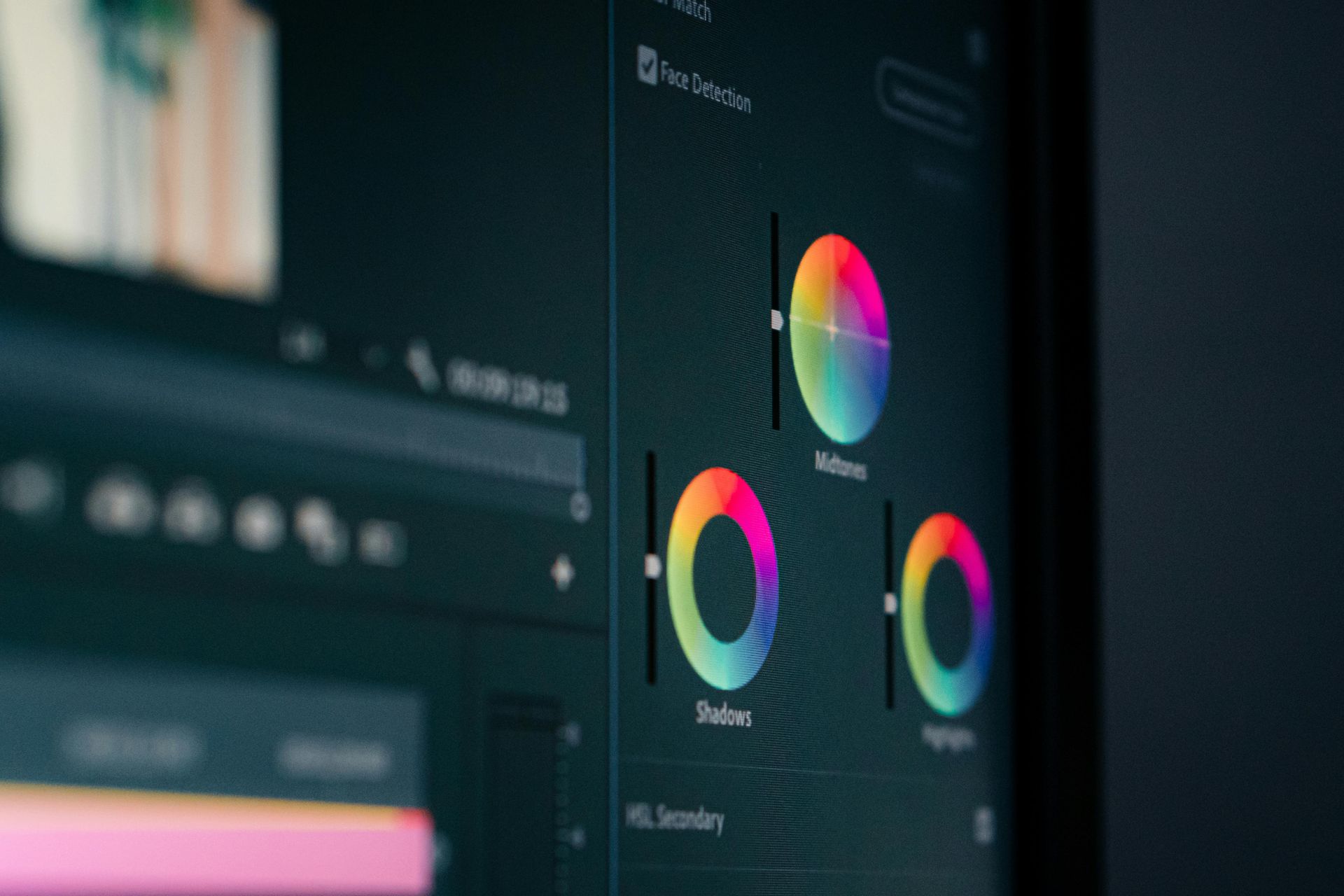
THE CARRIER ISN'T the CHARACTER


I have utmost sympathy for those amongst us who are passionate about the technical side of creativity - goodness knows I am one of such! - but there is a deeper principal at play here that transcends the functionalities, the frameworks, the parameters, the media formats, codecs, bit rates and LUT’s.


It could be said that Davinci Wide Gamut is not the image; ACES is not the image; the LUT is not the grade; perfect tuning is not the music and 96kHz sample rate is not the masterpiece.  How often do you hear someone leaving a cinema saying, “what a wonderfully constructed film in ACES colour space!”…or after attending a piano recital saying…”I so enjoyed the amount that those treble octaves were stretched!”


These are the ‘carriers’, the ‘containers’ to host all of our tools of the trade, but they are not the ‘character’, the performance, the film, the story. The carriers are vital but only a means to an end and if given an over inflated importance, then the resonance will be lacking. It’s not about ticking the right technical boxes, and mathematical equations - yes, legal systems for deliver must be adhered to - but it’s all about the image created, the music performed or mastered song.


So when I say that I ‘evicted contrast and saturation to the waiting room’, this has deep and wide ramifications for all sorts of things; to understand the whole process; to know where to place; to discover how the positioning creates the reaction; where the resonance emerges through those reactions.


It can be an image, an audio production, a ‘perfectly’ tuned piano or any other ‘instrument’, or indeed our own lives and how we relate to others.


The breakthrough was not discovering a new tool. It was discovering that every tool has a purpose.  When each stage performs its proper role, the image begins to resonate as a coherent whole.


The beauty lives in the interaction, and the resonance is created through relationships.

by Stuart Neale 21 March 2024
I have been referred to along lifes journey as a ‘perfectionist’ and with some internal satisfaction I previously received this label with glee, but now I’m not so sure..
by Stuart Neale 28 October 2023
Both the music and film industries have primarily been established over many decades, being driven through the hunger of the consumer to be entertained. Of course nothing wrong in that (I hear you say), but when in the case of purely commercially released music and film production being used very effectively as ‘containers’ to deliver a variety of messages, which are not derived from genuinely altruistic but self serving motives, I begin to wonder is this really 'Art'?
Learning techniques to focus the camera
by Stuart Neale 26 July 2023
After having walked some distance on the journey of film and digital capture and dare I say photography, my eyes have indeed been ‘opened’ to some interesting concepts and realisations.
More posts